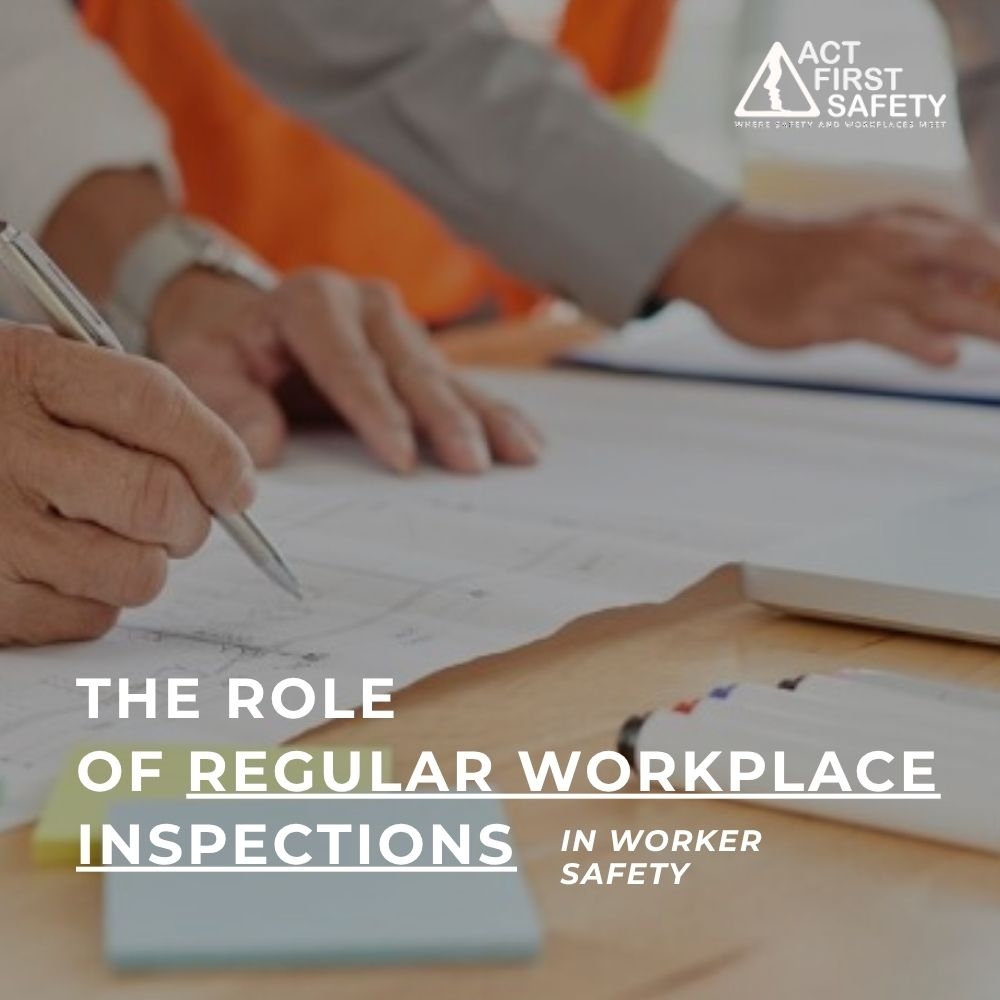
Workplace inspections are a vital part of keeping your workplace safe. They help in spotting potential hazards while ensuring that any controls you have in place are working the way they're meant to.
They also give you an idea of whether your organization is sticking to its own policies and procedures, and to the regulations mandated by the Occupational Health and Safety Act (OHSA) or any other regulatory bodies. Especially considering the OHSA constantly updates its rules on worker safety, so regular inspections are a must to ensure the new policies are strictly adhered to.
That said, one of the core purposes of a workplace inspection is to identify any gaps in your organization's health and safety program. Think of it as a part of worker welfare. It’s completely non-negotiable since a lot of workers put their lives at stake every day to do jobs that no one else would do.
But a few questions still loom. How often should such inspections be conducted? What are the basic requirements for successful inspection?
In today’s blog, Act First Safety – the top Ontario-based safety training course provider – will discuss at length what goes into workplace safety inspections and how often they should be conducted. Let’s begin.
Why Are Workplace Inspections Mandatory?
Just as vocational training - such as working at heights training, for example - is mandatory for employees, so are workplace inspections mandatory for employers.
In fact, they are compulsory for any workplace with five or more employees on the payroll. If you've got fewer than twenty workers, the person responsible for conducting the inspection should be an appointed Health and Safety Representative, who's a worker but not part of the management.
If you have twenty or more workers on your payroll, you will need to have a Joint Health and Safety Committee. A worker representative, ideally a certified member of the committee, would be responsible for conducting the inspection in this case. A certified member is defined as someone who has completed both Part One and Part Two of a professional JHSC training course from a provider that's approved by the Ministry of Labour Immigration Training and Skills Development (MLITSD).
Regardless of who does it, you'll need to conduct monthly workplace inspections to ensure all safety rules are adhered to. If it's not practical to inspect the entire workplace in one go, divide it into sections that can be covered each month so the whole workplace can be inspected in a year’s time.
What Do I Need To Conduct A Workplace Inspection?
Keep the following items in mind to ensure a successful monthly workplace inspection:
Checklist
You should maintain a safety checklist specific to your workplace and use it diligently during inspections. This ensures process consistency so you don't miss anything important, and allows you to keep track of identified hazards and their corrective actions.
Flashlight
You might need one of these depending on areas of your workplace that don't get much light. It'll help you spot hazards you might otherwise miss.
Workplace Layout
This will help plan your travel through each part of the workplace without missing any areas during your inspection.
Previous Inspection Reports
These will help you see if any hazards that were spotted last time around have been fixed and if any of the controls put in place are actually working.
Company's Policies and Procedures
Having these handy for reference will help you see if workers are following company policies and procedures or if there are any gaps in the documentation.
Manufacturer’s Operating Manuals
Referring to a manufacturer’s operating manuals, if needed, ensures the correct tools and equipment are available to workers when needed and in good operating condition. Even equipment like eyewash stations located in close proximity should be part of the monthly workplace inspection.
People
In some cases, you might need to get some additional resources to help with your inspections, especially if you need a specialist’s guidance or need to access restricted areas. Outside experts provide critical information that can be reported back to the committee to determine if additional safety training is required, if existing safety programs need changes needed, or if specific procedures need to be developed or enhanced.
Camera
As they say, "a picture is worth a thousand words". Taking photos of any hazards or good safety practices you spot during your inspection is a great way to keep a record. Pictures are a good medium to convey valuable information to other committee members. They can also be used to develop future action plans and recommendations.
What's Next?
After you've done your workplace inspection, you'll need to send the report to your committee for review, especially if you've spotted any hazards or safety gaps.
The next step is to work out the risk level of any of the issues you've identified. This is best done using a hazard management process, so that you're consistently assessing risks.
Next up would be identifying any potential controls that could reduce the risk level, choosing which ones to implement and why. This all needs to be organized and structured, so that your committee can make valuable recommendations to your employer. We'll go into more details on that process in a future blog.
Conclusion
Ensuring worker safety isn’t a one-and-done process, Employers must make sure their workers get constant access to safe working environments by conducting regular workplace inspections with the help of a Health and Safety Representative or a JHSC member.
Don’t have qualified JHSC members on your team? Don’t worry. We can help you. Act First Safety provides a plethora of safety training courses in Ontario, including JHSC training Part 1 and Part 2. Contact us to learn more about regulatory body-approved programs.
Frequently Asked Questions
Why is it so important to only use an approved training provider for Joint Health and Safety Committee (JHSC) training?
Choosing an unaccredited training provider risks non-recognition by MLITSD, resulting in fines and penalties for mismanagement. Using an MLITSD-approved training provider for JHSC Part One, JHSC Part Two, and JHSC Refresher ensures each participant who successfully completes the training is registered with the Ministry for tracking. This, in turn, ensures compliance, so make sure you use a reputable and approved training provider like Act First Safety only.
What if the appointed JHSC committee is not functioning properly?
A Joint Health and Safety Committee is most effective when members work collaboratively, communicate respectfully, and remain focused on improving workplace health and safety. Over time, however, committees can become ineffective due to interpersonal conflict, competing agendas, poor communication, or a lack of clear direction. When this occurs, the committee's ability to identify hazards, develop meaningful recommendations, and support a positive safety culture may be compromised.
At this point, the employer may choose to seek outside help from an Occupational Health and Safety consultant to ‘right the ship’ and move the committee forward in a positive direction and restore its effectiveness.