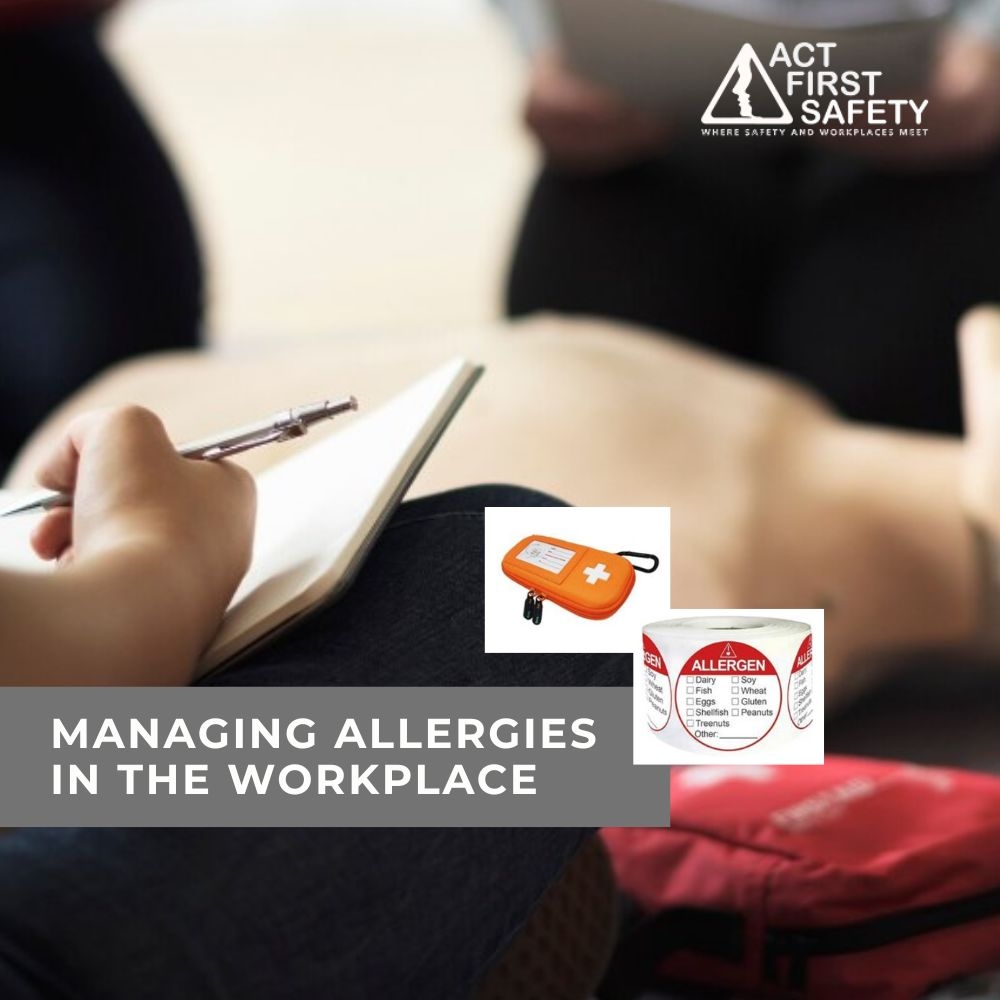
Allergies. We usually think of them as something that only affects kids, but adults are no stranger to this condition. Let’s just say, kids are not the only ones who need an allergy-free lunch for school. Workers need it too. Especially because several allergens in their work environment might just trigger a runny nose or worse. Consider it a core part of worker safety.
So let’s find out in today’s blog from Act First Safety, Ontario’s most trusted provider of certified safety courses, how you can manage worker allergies in your workplace.
What Is An Allergy, Anyway?
Here's how it works: the body has these proteins called antibodies that help fight off germs. However, sometimes they get the wrong idea and start attacking seemingly harmless things, viewing them as a threat. Examples of these harmless things include food, dust in the air, or even an animal. If you come into contact with an allergen, it can range from a minor annoyance like itchy eyes to a full-blown life-threatening emergency called anaphylaxis.
This is why it is so important to have appropriate measures in the workplace to tackle allergies. Part of them is having a qualified member on board with first-aid safety training who can handle allergy attacks promptly, preventing them from spinning out of control.
Common Allergens In The Workplace
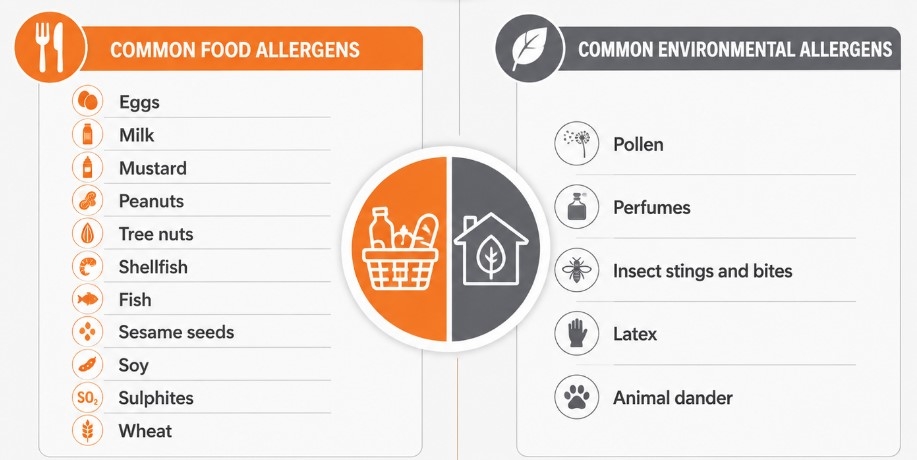
There are several common allergens that can show up in your office or on a construction site, and while there isn't a cure for any of them, treatments are available. Also, for some allergy sufferers, symptoms can lessen with time. The best strategy is to try to avoid the things that trigger allergies, and have appropriate medication on hand to help with symptoms or anaphylaxis. Here are some of the most common culprits:
Protecting Workers With Food Allergies
Workers with allergies should disclose their condition and make it known they require the support of their employer, supervisors, and co-workers to keep themselves safe from serious and life-threatening allergic reactions.
As for employers, they can respond by being supportive and ensuring they are doing all they can to keep their workers safe. Here are some allergy management strategies employers can implement to protect their workers from known allergies in the workplace.
Get in the Know
Learn about both worker allergies and allergens present in your workplace from the start. Understanding the potential triggers in your workplace and asking new hires if they have any allergies already puts you in a good place to prevent major attacks.
It’s best to know early on if someone’s got a life-threatening allergy. In case they do, make sure people who need to know are informed of it. You should also put up signs in the break room and other areas where food is served or handled so people know what not to do. You might also need to restrict certain foods in certain areas of the workplace.
Have an allergy policy
Create an individualized emergency response plan for the worker(s) with the allergy. Food Allergy Canada and the Canadian Society of Allergy and Clinical Immunology have created a downloadable Anaphylaxis Action Plan that can be life-saving in emergencies. You can fill out the template given in the plan and send it to your management and HR teams so they know what to do in case of an emergency.
Also, make sure you educate your workers on how to prevent cross-contamination and set up separate areas and appliances for preparing food without passing on allergens. Don't try to enforce a restricted diet on everyone. Just make sure there are separate facilities for workers with food allergies.
Employers may face resistance or lack of cooperation when it comes to restricting what a worker can bring into the workplace food-wise, as it is not reasonable to enforce a restricted diet on everyone.
One way to avoid pushback is to provide separate facilities and appliances such as a second allergen-free microwave or refrigerator in the workplace.
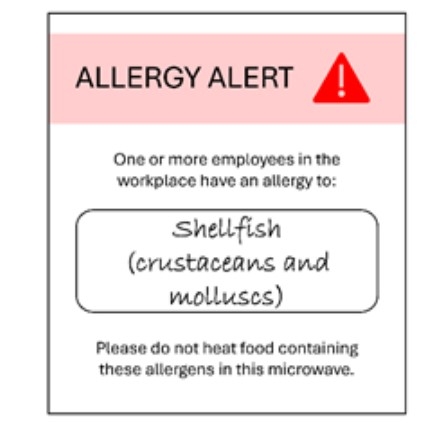
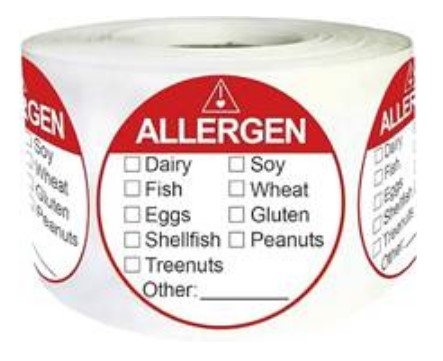
Make sure any food you share in the workplace is clearly labelled with allergen info, and if possible, try to take measures to get any communal food from places that offer allergen-free options.
Ensure that your workplace's designated first-aid providers have been trained to identify the signs of severe allergic reactions, including anaphylaxis, and know how to safely administer medical devices such as epinephrine auto-injectors (EpiPens).
Protect Workers With Non-Food Allergies
Allergies to pollen and perfume can be difficult to completely avoid, but they're often not as serious as food allergies. Nonetheless, these allergies can be debilitating in their own ways, causing rashes, hives, itching and congestion. Here’s how to manage them:
Keep your workplace clean
Properly ventilated workplaces with well-maintained air filtration systems help reduce allergen levels inside a building and improve worker health overall. Regular cleaning of the workplace, particularly textile surfaces like carpeting and furniture, can also help reduce allergens like dust mites.
Control scent exposure
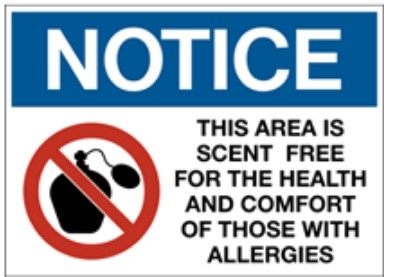
When the allergy is to scented products like perfumes, scent-free workplace policies can also be implemented where staff and visitors are informed to avoid using scented products when they come to the workplace.
Provide latex-free options
For those with latex allergies, contact with a product containing natural latex can cause severe itching and blistering; in rare cases it can cause anaphylaxis. It is generally considered to be a best practice to supply first-aid kits and stations with latex-free gloves. Ensure the PPE available at your workplace is latex-free too and inform workers with latex allergies if certain products they may have to use contain latex so they can take appropriate precautions to protect themselves. Latex today is primarily found in medical tools, toys, office supplies like erasers, and certain tire sealants. Modern latex paints and caulking do not contain natural latex as they did in the past.
Manage insect stings and bites
Working outdoors in the warmer months brings the risk of allergies from insect bites and stings. Most people will get an itchy bump from a mosquito bite. However, those with an allergy to mosquitoes will experience more severe swelling and occasionally a rash.
Employers should provide insect repellents and protective clothing to workers exposed to biting insects, regardless of the presence of allergies, as many biting insects like mosquitoes and ticks can also carry diseases.
Stinging insects like bees and wasps inject venom into those they sting. While everyone will experience pain and swelling from a sting, those with allergies can experience life-threatening anaphylaxis.
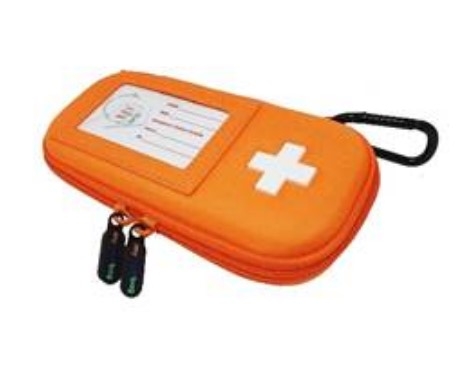
Employers must provide workers with epinephrine auto-injectors with appropriate storage and handling methods to treat stings and bites when working outdoors. In extreme temperatures, epinephrine must be kept at room temperature. They should be a part of a first-aid station so they can be easily used during an emergency. Just be sure to keep them out of direct sunlight and in a storage case labelled with the name of the worker to whom they belong to avoid mix-ups if there is more than one worker(s) who may require epinephrine on the jobsite.
Protect against environmental threats
Allergies are a big issue, no doubt. But there are larger threats that might loom in a workplace. Airborne hazards and infections can cause serious ailments too, and the best way employers can protect their crews against these hazards is to conduct proper respirator fit testing before providing well-fitted respirator masks that keep airborne hazards and associated risks out.
Conclusion
Allergies can pose very real hazards to a worker in the workplace. But with the support and cooperation of their employers, supervisors and co-workers, they can remain healthy and safe. Employers must take the lead in maintaining a safe workplace for workers with severe allergies. Having designated first-aiders attend a WSIB-approved first aid training course can help.
At Act First Safety, we provide First Aid Training in Ontario that meets current WSIB requirements and includes the safe use of EpiPen auto-injectors during emergencies. Contact us to learn more about our certified course, including available training slots, course details, and more.
FAQs
Can seasonal allergies affect workplace productivity and safety?
Yes. Symptoms associated with an allergic reaction, such as watery eyes, runny nose, excessive sneezing, itching, etc., can affect a worker’s ability to work safely.
What responsibilities do coworkers have when a colleague has a severe allergy?
The primary responsibility of coworkers is to diligently follow allergy protocols of the workplace, respect designated allergen-free areas, and avoid cross-contamination or intentional exposure.
Should workplaces review their allergy management procedures regularly?
Yes. A periodic review ensures the allergies of new employees are covered along with the presence of new allergens in the workplace.