Intro
Heavy lifting activities are a common sight in construction and industrial working environments. However, before even thinking about lifting a thing, proper pre-lift planning is essential to ensure the whole operation happens safely and without any major hiccups.
Effective hoisting and rigging is an essential part of the planning process. In fact, hoisting operations are fairly common in all sorts of work environments, taking the form of easy everyday tasks to high-stakes jobs where the fate of the whole project hangs in the balance.
That is why doing your homework upfront is critical. It can prevent accidents, property damage, and all sorts of avoidable delays. So, can take proper hoisting and rigging training, but more on that later. In today’s blog, Act First Safety – your safety partner and provider of certified jobsite training programs- will show you how to plan a safe and efficient hoisting and rigging operation.
Essential Steps To Planning Safe Hoisting & Rigging Operations
Involving the lifting of extremely heavy objects, safety is paramount during hoisting and rigging operations. Our step-by-step guide will help you prepare and execute incident-free hoisting and rigging jobs.
Step 1: Hazard Analysis
Let's face it - even routine tasks come with risks, so how can hoisting and rigging jobs be any different? Risks indicate the likelihood of adverse circumstances and their severity. The odds of something going wrong during the lifting and handling of heavy materials is extremely high, which is why it is critical to evaluate your work area for hazards before starting the hoisting process.
Step 2: Equipment Inspection
All equipment used in hoisting operations must be inspected before use – even before you think about lifting anything. Employers must ensure inspections for lifting devices like cranes are documented and that the job doesn't start or is paused until any equipment that is found to be defective is fixed or replaced.
In 2023, the Ministry of Labour Immigration and Skills Development (MLISD), ‘Ministry of Labour’, published updates to the safety requirements for the inspection and maintenance of cranes. Owners of cranes must ensure their cranes are in compliance with the requirements of O.Reg 241/23 (https://www.ontario.ca/laws/regulation/r23241), which came into effect on January 1st 2025.
Step 3: Route Planning
Once your equipment gets the green signal, it's time to thoroughly scan the site of operation. Check the working area for common hazards like power lines, obstacles, uneven terrain, wind, and unsuspecting people accidentally wandering into the work zone. Get rid of as many hazards as possible. If that's not an option, at least make attempts to minimize the risks present.
In any case, while planning routes, operators should keep a few rules in mind. If you cannot see the direction the load is headed in, or you are working near power lines, or if the load is a threat to the people around, then you must take the help of a signaller.
Check for hazards like powerlines, obstacles, uneven terrain, wind, and people wandering into the work zone.
Ontario Regulations 213/91 and 851 Industrial Establishments both spell out the minimum distances you need to keep from powerlines, depending on their voltage, for safe operations:
- 750-150,000 volts: 3 metres (10 feet)
- 150,000-250,000 volts: 4.5 metres (15 feet)
- 250,000 volts or more: 6 metres (20 feet)
In addition to safeguarding against the risks and hazards listed within the regulation, each worksite should also have strict procedures in place for the practice of safe lifts. Workers must abide by these rules, and they should be a part of the team’s internal planning process.
Step 4: Load Assessment
Accurately evaluating the loads of the materials in question is key to ensuring the lift goes smoothly. Having all the details in this regard allows the worker (or the rigger) responsible for rigging the load to figure out the kind of gear needed, where to hook it up, and the hardware required to lift it safely.
Load assessment and the proper procedure to hoist and rig a load is taught in professional hoisting and rigging training programs. Riggers get to practice measurements and calculations during the course so that they can apply load assessment learning in real-time to determine the following:
- Dimensions of the load
- Actual load weight
- Centre of gravity (COG)
- Load stability
Even small loads can push a big crane over its limits if they are not handled right. Just like with forklifts, the farther the machine has to reach out to lift a load, the less overall weight it can handle without tipping over.
In fact, the dangers of handling an unstable load are much greater. They can cause problems with the rigging gear and even send the whole set-up crashing down. That is why the rigger must determine where the load’s centre of gravity is so that it can be lifted in a stable position.
Unstable loads are likely to apply uneven force on rigging hardware. Improper or precariously balanced lifts may cause delays since the loads concerned will have to be repacked into smaller chunks to be manageable. Loads may even be rejected if there is no available equipment capable of safely lifting them.
Step 5: Signallers and Load Control
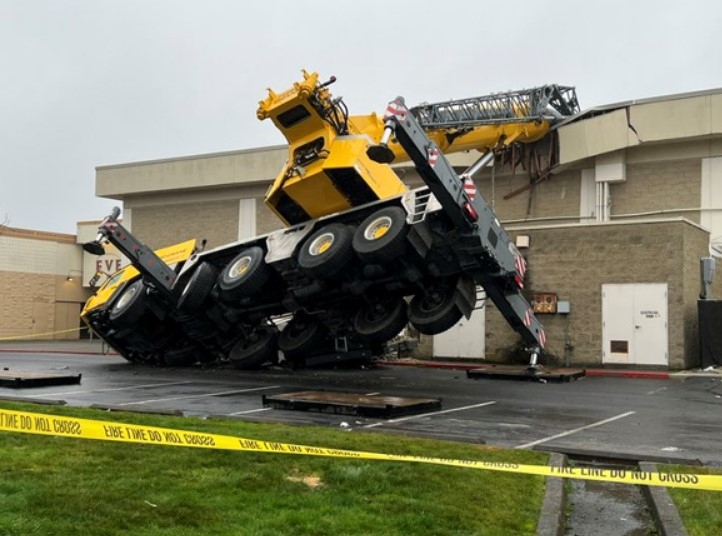
If the movement or rotation of the load concerned is likely to endanger people, one or more guide ropes or tag lines must be attached to it. These guide ropes will keep the load steady, prevent unwanted motion, and support safe handling.
That said, the site supervisor must make sure everyone is out from under the load, including anyone who might be inside a building just below the load, as it could potentially break through its structure if it falls.
Sometimes the operator of the hoisting equipment may not have a clear view of the landing site or accurately judge the distance between the load and a potential hazard. In such cases, a competent signaller is needed to provide the operator with the right guidance. The signaller’s undivided attention is a must, and they should ideally be in a position where the operator can easily spot them. However, if that turns out to be an unsafe spot, then they should be where they can do their job right and still stay away from hazards.
Depending on the situation, the signaller may provide instructions to the operator of the hoisting equipment via hand signals or radio. Supervisors must confirm that both equipment operators and signallers fully understand the methods of assistance. Pre-lift planning must also involve determining a secure vantage point where the signaller can perform their duties safely.
Step 5: Emergency Readiness
When the worst happens, it can happen fast. In such circumstances, the signaller and the operator should know what to do to limit damage and minimize the risk of further injury on-site. Employers and supervisors also have a job to do here, and that involves preparing workers for emergencies on a hoisting site. The following are examples of emergencies:
- Powerline contact
- Tip-over of hoisting equipment
- Uncontrolled movement of the load
- Hoisting equipment or hardware failure
- Dropped loads
- Worker entanglement in the tagline or load
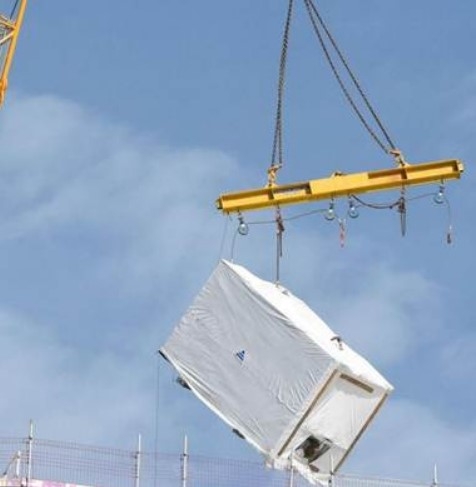
Without clear instructions, workers may take actions that worsen the situation, leading to fatal injuries or deaths.
Conclusion
Hoisting and rigging job planning is key to keeping things safe. Giving planning high priority before lifting cuts down the chances of serious problems such as emergencies and fatalities on-site. It's up to the employer and supervisors to ensure the hoisting equipment, operators, riggers and signallers are aware of hazards and follow a properly devised lifting plan.
This is just the starting point. Riggers and signallers should also get the right safety training too, and that’s where we can help. Act First Safety provides comprehensive hoisting and rigging training in line with CSA standards, OHSA regulations, and MLITSD expectations. Contact us to learn more about our certification programs.
Frequently Asked Questions
Who makes a pre-lift plan?
A pre-lift plan is usually made in collaboration with many people, including the supervisor, operator(s) of hoisting equipment, rigger(s), signaller(s), and workers handling tag lines.
Does a pre-lift plan need to be written down?
While it is always beneficial to have written measures and procedures for routine or standard lifts, a written lift plan is only required for complex or critical lift operations.
A lifting operation is considered critical when:
- The load exceeds 75% of the hoisting device’s maximum lift capacity
- The lift is a non-routine task
- The lift is high-risk, usually due to the severity of the consequences should something go wrong
- The load is hazardous or made of radioactive material
- The load is submerged underwater
A lifting operation is considered complex when:
- The lift involves multiple cranes working together
- The lift involves specialized rigging
- The load has an irregular weight distribution or a shifting centre of gravity
What should be included in a lift plan?
The following information should be a part of all lift plans:
1. General information about the project and personnel involved in the operation
2. Description of the load and crane
3. Rigging details and drawings
4. Load travel path information, including hazards and obstacles
5. Drawing of the work zone
6. Communication plan, including the number and names of signallers
7. Considerations for weather and environmental hazards
8. Verification that inspections and pre-lift preparations outlined in the plan have been completed
9. Worker and supervisor sign-off