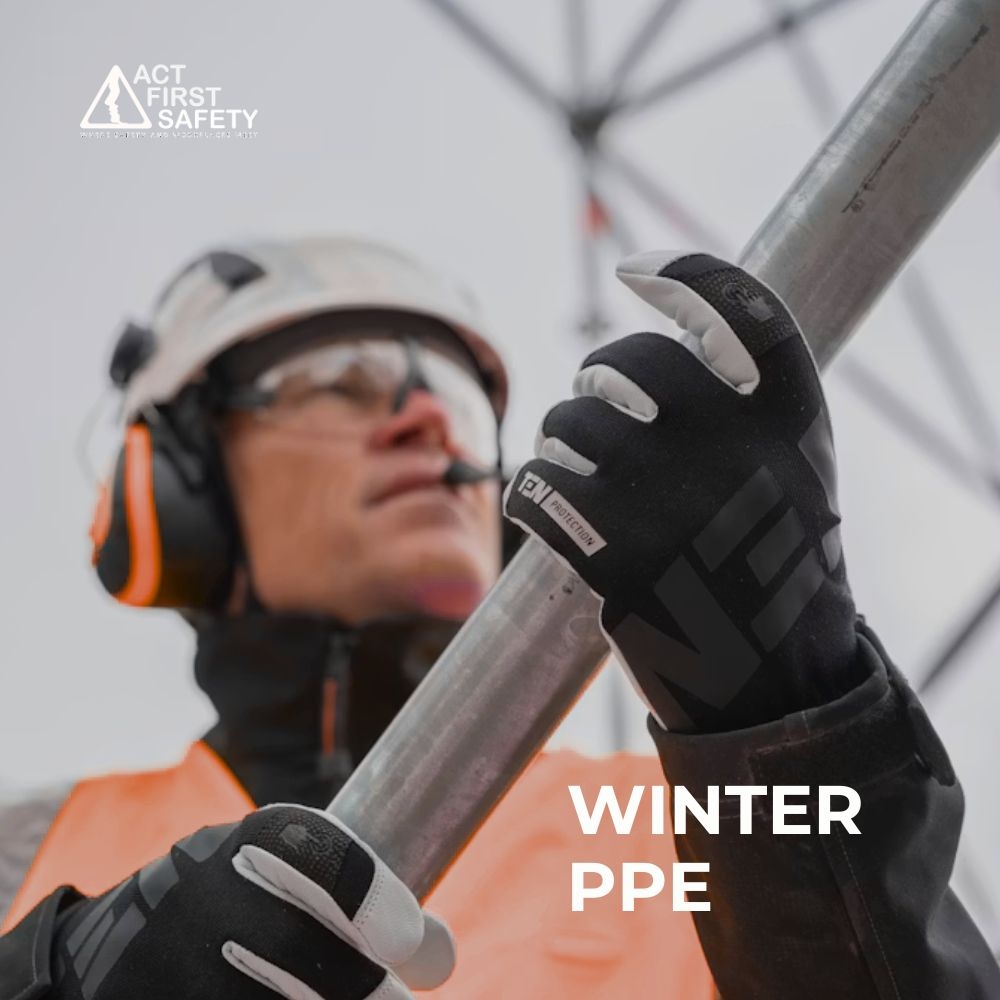
Winter brings its own set of hazards that can affect outdoor workers. Freezing temperatures, icy or uneven surfaces, high winds, and limited daylight hours reduce visibility and increase the risk of cold-related illnesses, slips and falls, and fatigue. These conditions not only require the use of the right seasonal personal protective equipment (PPE), but also necessitate its use to ensure the maintenance of safety and efficiency in the workspace.
Equipping your crew with winter-appropriate PPE – such as thermal insulation layers, waterproof outerwear, traction-enhancing footwear, insulated gloves, suitable eye protection, and high visibility gear – helps in the mitigation of seasonal risks and allows your team members to do their job without compromising safety. Just like wearing a hard hat protects them from overhead hazards.
However, that is not enough on its own. You also need to gain a deeper understanding of winter-specific hazards as well as follow best practices prescribed by occupational safety experts to prevent accidents and maintain productivity during the coldest months of the year.
In fact, there are so many benefits to that. By identifying risks and investing in seasonal gear, you can protect your workforce, reduce downtime, and support overall business resilience during the winter season.
If you are curious to know how else it can help, in this blog, Ontario’s leading workplace safety course provider, Act First Safety, will outline the importance of winter PPE and must-have items for a safe and successful season.
Winter Hazards
Winter weather brings specific hazards that can be fatal. Studies have shown that cold stress, including hypothermia, frostbite, and windburn are major risk for outdoor workers during the colder months. Workers exposed to cold for extended periods are also highly likely to suffer from heart and respiratory issues.
In addition, continued work in harsh winters can also increase the risk of Raynaud's syndrome, a disorder that causes decreased blood flow to the fingers and toes in response to severe cold or emotional stress and musculoskeletal disorders.
In addition to cold stress, winter work environments are more prone to slip-and-fall accidents. WSIB in Ontario reports that winter weather accounts for thousands of slip, trip, and fall injuries each year, with icy conditions on walkways and job sites being the leading cause.
Furthermore, Environment Canada warns that frostbite can set in on exposed skin in as little as 30 minutes when temperatures drop below -29°C with wind chills. With these risks in mind, having the right PPE is not just about comfort; it’s about survival.
Must-Have PPE for Outdoor Workers in Winter
While most of the appropriate PPE is the same for all workers across the board, the Joint Health and Safety Committee members of your organization should review the list and make additions and subtractions to it based on specific worker needs.
Making sure winter hazards are included during onsite safety training, too, such as boom lift training, working at heights training, traffic control training, propane safety training, etc. – basically, during every task that makes your workers more susceptible to extreme cold temperatures.
That said, to mitigate these winter-related safety risks, we recommend the following key types of seasonal PPE every outdoor worker should wear:
Body
- Insulated and waterproof outerwear: A heavy-duty, insulated jacket is essential. Consider a water-resistant outer layer to protect against snow and rain.
- Layering system: Wear multiple layers of loose-fitting clothing to trap heat, including a moisture-wicking base layer, an insulating middle layer and an outer shell.
Head and face
- Insulated hats: A hat that covers the ears is critical, as a significant amount of body heat can be lost through the head.
- Hard hat liners: These are designed to be worn under a hard hat for warmth and can cover the ears and neck.
- Face protection: Use a balaclava or neck gaiter to protect your face and neck from the cold.
Hands and feet
- Insulated gloves: Choose insulated gloves that will keep your hands warm. For extreme cold, consider wearing thin liner gloves underneath or use instant hand warmers.
- Winter boots: Wear insulated and waterproof boots with slip-resistant soles to combat cold and icy conditions. Cold-resistant boots are also a good option.
- Socks: Thick thermal socks, such as wool socks, are important for keeping feet warm and dry.
Eyes
- Safety glasses: Wrap-around polarized safety glasses with anti-fog coatings can protect your eyes from snow glare and cold.
Other important PPE
- High-visibility gear: Make sure you are visible to others by wearing high-visibility clothing, which is especially important during winter when daylight hours are shorter.
- Foot warmers: Insulated boot liners and instant-style foot warmers can provide extra warmth.
The Final Layer of Protection: A Commitment to Winter Safety
In the end, the key to a successful winter safety program is preparation. In fact, taking Joint Health and Safety Committee or JHSC training may help you prepare right by educating you about extreme weather conditions and appropriate strategies to combat their effect on worker safety.
However, outdoor workers who face the triple threat of cold stress, musculoskeletal risks, and elevated slip and fall hazards need to be addressed now. The right selection and use of winter PPE is the first line of defense against these risks.
To sum it up, employers must ensure every worker has:
- Layering Systems and Insulated, Waterproof Outerwear to combat cold stress
- Insulated Boots with Slip-Resistant Soles to prevent falls on icy surfaces
- Insulated Head and Hand Protection to minimize heat loss and prevent frostbite
- High-Visibility Gear to stay safe during reduced daylight hours
By treating PPE as survival gear rather than optional equipment, businesses can uphold their commitment to safety, keep their workers healthy and productive, and weather the winter season with confidence.
Looking for winter-appropriate training to ensure your workers are prepared? Act First Safety provides a myriad of engaging, instructor-led workplace safety courses in Ontario that help you prepare for the winter season. Contact us to know how seasonal training can help your crew stay their productive best even when the weather works against them.
FAQs
Can regular PPE be used during Ontario winters on worksites?
Regular PPE is not recommended for winter use as it is unlikely to be insulated or waterproof. Safety shoes might lack traction, too. To protect against winter hazards, winter-specific PPE is a must.
How does winter-specific PPE boost productivity?
Winter-specific PPE helps your crew to stay warm, alert, and comfortable during extreme weather. This reduces the risk of accidents along with fatigue and downtime, thus boosting productivity.
How are winter hazards addressed during safety training?
Safety training, such as that provided by Act First Safety, focuses on educating your team about common winter hazards and strategies to mitigate them, thus ensuring a safe winter work for all.